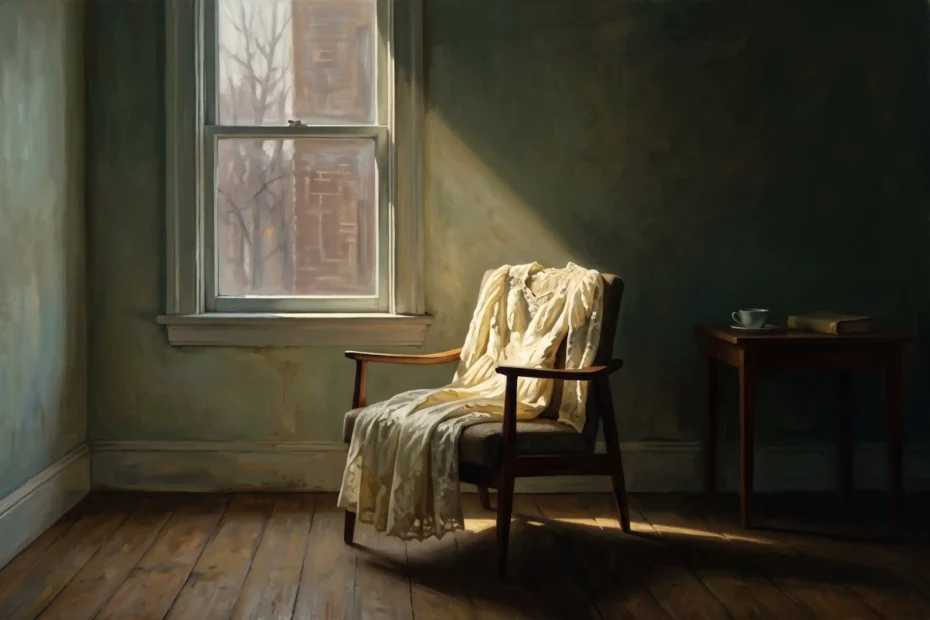
You are holding a garment that is more than just fabric; it is a family archive. Whether it is your own gown from decades ago or your grandmother’s dress from the 1940s, the sight of yellowing or deep-set stains can feel like a loss. The first question is usually: Is it too late?
The honest answer is that while many heirloom gowns can be restored to a beautiful state, not all of them can. Restoration is not a magic wand; it is a calculated process involving specific cleaning agents and mechanical care. There are points—sun damage, dry rot, or fabric disintegration—where the risk of cleaning outweighs the potential for recovery.
At Janet Davis, we specialize in these “rescue” cases. We will tell you plainly if your gown is a candidate for restoration, or if it has reached a point where any attempt at cleaning would cause it to shred.
Yellowing vs. Staining: Understanding the Difference
When a dress looks “old,” people often use the terms yellowing and staining interchangeably. To a specialist, they are entirely different problems requiring different solutions.
Yellowing is typically an environmental or chemical reaction over time. We categorize this into three distinct types:
- Environmental Yellowing: This occurs when gowns are exposed to humidity, pollutants (like nicotine), or temperature swings. In most cases, if the overall integrity of the dress is sound, this can be reversed through a professional restoration soak.
- Caramelization: Similar to how a freshly cut apple turns brown over time, sugary stains from white wine, clear mixed drinks, or cake can “caramelize” into the fabric. This creates a yellowed appearance that is fundamentally different from environmental oxidation.
- Sun Damage: If a gown was stored where sunlight hit specific areas—the front of the pleats or the bodice—the UV rays didn’t just change the color; they destroyed the fibers. Sunlight damage is irreversible. Attempting to clean a sun-damaged gown often results in the fabric shredding during the mechanical action of the cleaning process.
Stains, on the other hand, are localized deposits that have interacted with the dress directly. These can range from lipstick and makeup to food, blood, or even grease from a car door. While we can often remove stains during a restoration, their success rate depends on how long they have “set” into the material and the nature of the fabric itself.
Can a 50-Year-Old Dress Be Restored?
Age alone is not the disqualifier; it is the condition at age fifty. We treat heirloom gowns with a level of caution that differs from our daily couture work. Before any cleaning solutions touch the fabric, we perform a rigorous physical audit:
- The Pinch-Tear Test: We find a hidden area—typically under the arms where body chemistry often accelerates deterioration—and perform a tiny pinch-tear test. This tells us immediately if the material can withstand the mechanical stress of cleaning.
- Seam and Thread Audit: It is common for the fabric to remain strong while the sewing thread has dry-rotted. If the threads are gone, the dress may fall apart during cleaning unless pre-cleaning sewing is performed.
- The Hemline Check: We look for abrasion from when the gown originally hit the ground and check if it was ever cleaned before being put away.
For many vintage gowns, including those 50 to 80 years old, restoration is entirely possible. We recently restored an 80-year-old gown where the client only needed specific sections of the fabric cleaned and pressed to create a bouquet handle wrap for her daughter’s wedding. Because we treated the material as a delicate heirloom rather than a standard garment, we were able to return it to its original condition.
The Restoration Process: What Happens Behind the Scenes
Most cleaners reject yellowed gowns because they view restoration as too dangerous or time-intensive. At Janet Davis, we have refined this craft over five generations.
The process is deliberate and slow:
- Pre-Treatment: We take detailed photographs and perform any necessary structural sewing. If the gown was put away dirty, we may start with a gentle dry clean to remove surface oils before moving to water-based restoration.
- The Restoration Soak: This is the core of the process. The gown is immersed in a controlled soak using Sodium Perborate or Sodium Percarbonate—specialized cleaning agents that act as bleaches but are far safer for delicate fibers than household alternatives. We carefully manage dose, temperature and time.
- Neutralization: After the soak, the items are rinsed and neutralized to ensure no additives remain in the fibers.
- Air Drying & Finishing: To minimize mechanical stress, we air dry the garments before moving to precise steaming and pressing.
A note on fabric limitations: While lace and tulle typically restore beautifully, shiny satin weaves (especially silk) present a challenge. Because restoration involves water, these fabrics can experience felt shrinkage, where the fibers break and cause permanent wrinkling that cannot be removed by pressing. We will always warn you if your specific fabric carries this risk.
The Risk of Permanent Damage
When we assess an old gown, we are looking for damage that is invisible to the untrained eye but can become catastrophic during the restoration process.
The primary factor in whether a gown can be saved is its storage history—specifically, whether it was professionally cleaned before being put away or stored while dirty. When a garment is stored with organic matter or environmental pollutants on the fabric, those particles do not sit passively; they interact with the fibers over decades.
Under a microscope, dirt looks like a 3D sawblade or a ball of barbed wire. As these particles enter and exit the fibers during the years of storage, they physically cut them. If too much “sawblade” damage has occurred, the fabric becomes structurally unsound. In these cases, the mechanical action of cleaning—the simple movement of the garment in the solution—can cause the dress to tear or shred because the internal structure is already compromised.
Because of this, it is important to understand that we never promise a perfect result. We provide expert stewardship and care for your gown, but we were not involved in its original creation or its storage over the decades. Those two factors play the largest role in the final outcome of any restoration.
When Restoration Is Not Possible
We believe in candor over a sale. We will tell you if your gown cannot be restored if:
- The fabric is powdering: If the material disintegrates upon touch, it is beyond rescue.
- Extreme UV damage: As mentioned, sun-shredded fibers cannot be “fixed.”
- Severe structural failure: If the gown is coming apart at every seam and the fabric has lost its tensile strength.
In these cases, we may suggest alternative ways to preserve the memory of the dress—such as saving small, stable swatches for a keepsake—rather than risking the total destruction of the garment in a cleaning tank.
How to Judge a Restoration Specialist
Restoration is a high-stakes process. If you are looking for a provider, ask these three questions:
- “Do you perform a pinch-tear test?” Any specialist who puts an heirloom gown into a soak without testing the fiber strength first is taking a gamble with your history.
- “How do you handle mechanical action?” The risk here isn’t typically shredding, but rather the development of permanent wrinkles that cannot be removed by pressing. Look for providers who emphasize air-drying and minimal handling to avoid this.
- “What are your credentials in wedding gown care specifically?” General dry cleaning knowledge is not enough for 50-year-old silk.
Our authority comes from a combination of institutional memory—my father began cleaning in 1978 and saw these gowns when they were new—and modern certification. As members of the Association of Wedding Gown Specialists (AWGS) for 20 years and affiliates of America’s Best Cleaners, we have access to a North American network of specialists to consult on the rarest fabric types.
Next Steps for Your Heirloom
If you have a gown that has yellowed or been stained over the decades, do not attempt to “spot clean” it with home remedies. Home bleaches and soaps often set stains permanently or weaken the fibers further.
The first step is an honest assessment. Bring your gown to us, and we will examine the underarms, seams, and fabric integrity to give you a professional opinion on whether restoration is possible.
Request a consultation for vintage garment restoration here: https://www.janetdaviscleaners.com/vintage-garment-restoration/
Questions We Hear Often
Can you remove red wine stains from a vintage dress?
Red wine is one of the most difficult stains to remove, especially if it has set for years. While we use every tool at our disposal, some wine stains may leave a permanent shadow depending on how they have interacted with the material over time.
Will restoration make my dress look brand new?
Our goal is to return the garment to you in as close to its original condition as possible. This does not necessarily mean “just like new,” as some fibers have aged or degraded in ways that cannot be reversed without destroying the fabric.
Is restoration more expensive than standard cleaning?
Yes. Because it requires specialized agents, significant physical space for soaking and air-drying, and a high degree of manual labor (one gown at a time), it is priced higher than our standard cleaning services.
Why can’t I just use a regular dry cleaner for this?
Many discount cleaners move too quickly for restoration work. The “restoration soak” requires precise temperature and timing variables; rushing the process or using aggressive shortcuts often leads to permanent fabric damage or shrinkage.