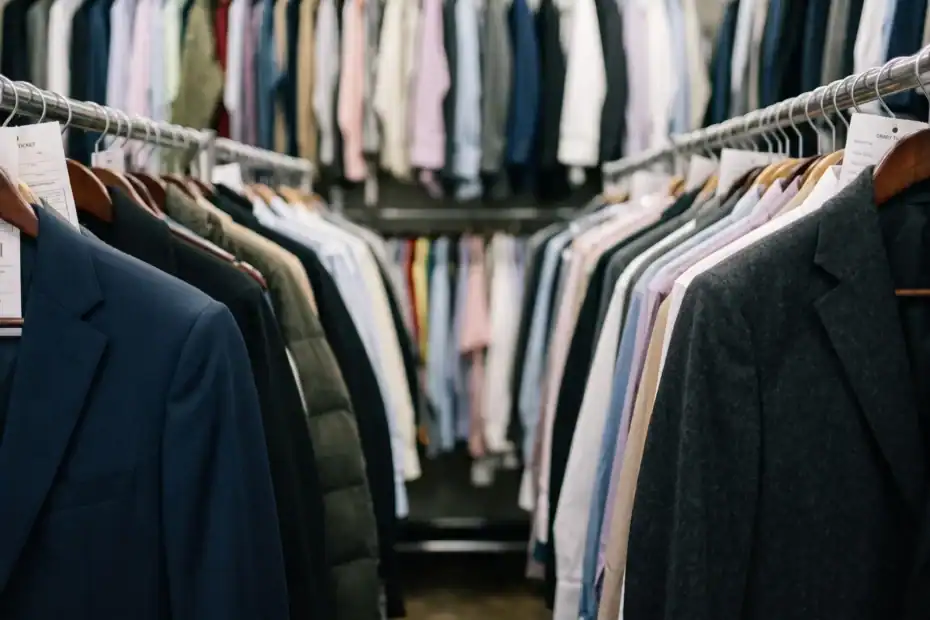
You’ve seen it on nearly every high-end garment you own: Dry Clean Only. For many, those three words act as a trigger for anxiety—and a hit to the wallet. The instinct is often to treat that label like a strict command, sending a suit or a silk blouse back to the cleaner after every single wear just to be “safe.”
But here is the honest truth: cleaning your clothes too often can be just as damaging as not cleaning them enough.
If you are looking for a rigid calendar—shirts every two wears, suits every five—you are asking the wrong question. Your clothes don’t live on a calendar; they live in your world. The real answer depends entirely on how you wear your clothes, what you wear under them, and most importantly, what is actually happening to the fibers of the fabric.
Who should NOT be dry cleaning right now
Before we discuss frequency, it is important to establish who does not need our services today. If your garment has no perceptible odor, no visible spots or stains, and isn’t wrinkled beyond a simple home steam, you likely do not need to bring it in.
Professional garment care is an investment in the longevity of your wardrobe. When used correctly, it preserves; when used excessively for “maintenance” that isn’t required, it simply accelerates the wear on the fabric. If your clothes are clean, leave them be.
The “Sawblade” Effect: Why we actually clean
Most people think dry cleaning is about removing a smell or a visible stain. While those are the triggers that bring you through our doors, the real reason to clean a garment is mechanical protection.
Under a microscope, dirt and environmental pollutants don’t look like soft dust; they look like three-dimensional sawblades or barbed wire curled into tiny balls. When these particles embed themselves in your clothing, they don’t just sit there—they move as you move. Every time you walk, sit, or reach, those microscopic “sawblades” grind against the fibers of your garment, causing compounding damage that shreds the fabric from the inside out.
Once a garment is visibly dirty, continuing to wear it isn’t just an aesthetic risk; it is a structural one. You are effectively sanding down your clothes while you wear them. This is why we advise cleaning based on visible soil and odor rather than a set number of wears.
The Frequency Guide: Moving from Calendars to Indicators
Instead of counting days, look for these specific indicators to determine if it’s time for a professional visit.
The “Immediate” Category (Clean now)
- Visible Soil: Any one-off spill, smudge, or spot.
- Perceptible Odor: If the garment smells like smoke, food, or perspiration, the oils are already trapped in the fiber.
- High-Contact Areas: Check your collars and cuffs—and specifically the underarms. Underarm areas are the biggest contributors to fabric degradation; on vintage garments, this is the first place we look, as body chemistry left to act over decades typically breaks down these fibers first.
The “Variable” Category (It depends)
- Business Suits & Outerwear: Because these are worn over other layers, they don’t absorb body oils as quickly. If you wear a fresh shirt every time, a wool suit can often go several wears—sometimes weeks—between cleanings, provided it is hung up immediately after use to air out and maintain its shape.
- Dresses: These typically sit closer to the skin and absorb more chemistry than a jacket, requiring more frequent attention.
- Sweaters: Unlike dresses, sweaters are rarely worn directly against the skin. They can safely be worn many times between cleanings; in many cases, they only need professional care at the end of the wearing season. It is vital to put all sweaters away clean to avoid moth damage during storage.
- Home Textiles: Comforters may touch your skin and generally require quarterly cleaning. For drapes, we recommend vacuuming as necessary and a full professional cleaning once a year.
The Great Dry Cleaning Myth: Is it harsh?
There is a persistent belief that dry cleaning “strips” or damages clothes, leading some people to avoid it until the garment is filthy. In reality, the opposite is true.
To understand this, consider a paper napkin. If you put a paper napkin through a standard home wash cycle, it will come out in a million tiny pieces. But if you dry clean that same paper napkin, it comes out of the machine entirely intact.
Dry cleaning is fundamentally gentle because it avoids the mechanical agitation and harsh swelling/shrinking associated with water. The “damage” people often associate with cleaners usually isn’t caused by the solvent itself, but by improper technique—overheated presses or skipped inspections. At Janet Davis, we use a range of five different paths (including professional dry cleaning, wetcleaning and hand cleaning) to ensure the method matches the fiber, not the other way around.
The Care Label Reality Check
It is often a shock to our clients when we point out what their care labels actually say. In an era of “fast fashion,” many manufacturers produce garments that are simply not intended to be cleaned at all.
If you see “Do Not Dry Clean” AND “Do Not Wash,” or if the tag says “Spot Clean Only,” the manufacturer has essentially signaled that the item is disposable or limited-life. While our advanced equipment allows us to clean many of these “unserviceable” items, the risk of damage is higher because the garment wasn’t built for it. We will always be honest with you: if we know a process will destroy your garment, we won’t do it.
How to extend the life of your wardrobe
You can significantly reduce how often you need professional care by changing two small habits:
- The Layering Barrier: Undershirts protect your dress shirts; in turn, those shirts protect your suit jackets from body chemistry and perspiration that cause yellowing. This allows outer garments to stay fresh longer.
- Post-Wear Recovery: Never crumple a tie in a corner or throw a suit on the floor. Wool has natural anti-microbial properties; if you hang your items immediately, you prevent wrinkles from setting and odors from locking in while preserving the garment’s shape.
A note on “Press Only”
We are often asked if we can simply “press” an item that hasn’t been cleaned. It is vital to understand the difference between a wrinkle and soil.
If a garment has been worn, it contains latent body oils and sugars. Applying high heat via a professional press without first cleaning those oils can actually “cook” them into the fabric, causing permanent yellow or brown stains through oxidation. This is why we generally do not offer “press only” for worn clothing.
However, if you have brand-new retail items, clothes packed for a trip that were never worn, or garments that have been in proper long-term storage and are simply wrinkled, our press-only service is the perfect solution to get them wardrobe-ready.
The Fifth-Generation Standard
Janet Davis actually began as a pressing shop—providing the kind of meticulous finish that people could do at home but lacked the time or equipment to achieve. Five generations later, we still view ourselves as custodians of your wardrobe. We aren’t interested in maximizing the number of times you visit us; we are interested in ensuring that the pieces you love last for decades.
If you aren’t sure whether a piece needs cleaning or if you’re worried about a specific care label, bring it in. We will examine it under professional light and tell you honestly if it needs a solvent bath or just a gentle press.
Questions We Hear Often
Can you clean something that says “Do Not Dry Clean” or “Spot Clean Only”?
Often, yes. Manufacturers frequently use these labels as legal disclaimers rather than technical boundaries because testing every single bead or trim is too costly for them. While we always perform a mandatory in-person evaluation first to check the fabric and embellishments, we can often safely clean these items using specialized professional wet cleaning or modified solvent cycles that avoid the “water rings” you’d get from home spot-cleaning.
What happens if I have a garment with bright, contrasting colors?
High-contrast luxury pieces—like a white dress with vivid magenta patterns—carry an inherent risk of dye bleeding because fashion houses sometimes prioritize color vibrancy over industrial colorfastness. We handle these using “light” short-cycle cleaning and stabilizers to keep dyes in place. Because the risk is built into the garment’s chemistry, we require a signed release form before processing, but we have specific corrective baths available if any migration occurs.
Can you clean an item with beads or sequins that are glued on?
We can often process these items using gentle cycles, though we always test first to ensure stability. However, the risk of damage is higher than with sewn embellishments; some items with glued construction simply aren’t serviceable if our tests show the pieces will fall off during cleaning. We prioritize the safety of the garment over the desire to clean it.
I found an old wedding dress in the attic that has turned yellow—is it too late?
In most cases, no. Age-related yellowing is usually a result of oxidation and can be reversed using specialized oxygen-adding or reducing bleaches. These are far more gentle than any bleach you would find at a grocery or hardware store and are designed to lift the yellowing without damaging the fibers. The key is an in-person evaluation to ensure the fabric hasn’t suffered “dry rot” or become too brittle to survive a bath.
Why can’t I just get my worn suit “pressed” to save money?
Because heat acts as a catalyst for chemistry. Even if a garment looks clean, it contains invisible body oils and sugars from perspiration. To remove wrinkles, professional steaming is required to relax the fibers; this process involves applying heat and then rapidly removing it while the garment is held in place to “set” that wrinkle-free look. However, when this high heat is applied to an unwashed garment, those residues instantly caramelize or oxidize, turning into permanent yellow or brown stains. A full cleaning is required to remove those oils before any steam or heat is used to set the shape.
Explore Our Cleaning Services
View the full range of professional care options for your wardrobe.